Music Theory Workbooks, Worksheets and Resources for Students and Teachers

Available Here!

As a teacher, I often run into the same questions when my students are learning to read music... "How do key signatures work?" "How long is a dotted quarter note?" "How do you play F natural?"  

I created this workbook series as a resource for teachers and students facing similar questions. It's intentionally consice, meant to get students reading music as quickly as possible, but at the same time it is thorough enough to be used as a self guided manual for students of any age as well as a tool for private and group lessons. 

Shop Theory for Strings on IngramSpark

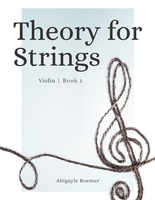
Theory for Strings Violin Book 1
Roemer, Abigayle and Kuck, Alex
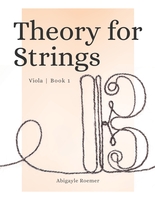
Theory for Strings Viola Book 1: A Music Theory Wo ....
Roemer, Abigayle and Kuck, Alex

Reviews

"This basic theory workbook for violinists gives young students a comprehensive, straightforward approach to learning the nuts and bolts of music alongside their traditional violin studies and exercises. It is organized and presented in a very logical manner and helps make basic music theory less abstract and more applicable to students' musical journeys."

-Dr. Christopher Jannings, Orchestra Director, Roseville Area High School


"Finally! A great music theory book, thoughtfully put together and easy for students to work through at their own pace. This was exactly the book I was needing for my very beginner music theory students."

-Customer Review

Shop Theory for Strings on Amazon

Theory for Strings Violin; How to Read Music; beginner; workbook

Violin Book 1 - Paperback and Kindle

Viola Book 1 - Paperback and Kindle 

Now Available from these Sellers:

Printable Worksheets

Music Theory Worksheets for Violin
  • Music Theory Worksheets for Violin
  • Music Theory Worksheets for Violin
  • Music Theory Worksheets for Violin

All of the worksheets from Theory for Strings Violin Book 1 - available for instant download! Print unlimited copies of the worksheets that work best for your students.

CONTENTS

HOW TO READ RHYTHMS Reading Rhythmic Notation in 4/4 Meter Clapping and Counting Quarter Notes, Half Notes, Whole Notes, 8th and 16th Notes Subdivision Dotted Rhythms Clapping and Counting Rests

HOW TO READ NOTES Musical Alphabet Note Locations on the Treble Clef Staff Steps and Skips Half Steps and Whole Steps Sharps, Flats and Naturals "Low 2" and Other Finger Patterns Locating any Note on the Fingerboard, in First Position

After completing, students should understand how to: 1. Subdivide, read, and write simple rhythms in 4/4 meter. 2. Understand key signatures and identify correct finger patterns for every string in a given key. 3. Locate any note on the fingerboard of the violin in first position, in keys up to 5 sharps or flats.

In cart Not available Out of stock
$10.00